
We live in a world obsessed with quick fixes and instant results. But when it comes to health and weight loss, slow and steady truly wins the race. Losing weight isn’t just about looking better; it’s about feeling better, living longer, and reducing your risk of serious health conditions. And the best part? Even small amounts of weight loss can make a significant difference.
This blog post will explore the importance of weight management, the risks associated with being overweight, the incredible benefits of even modest weight loss, and how to achieve your goals in a safe and sustainable way.
Understanding the Risks: More Than Just Appearance
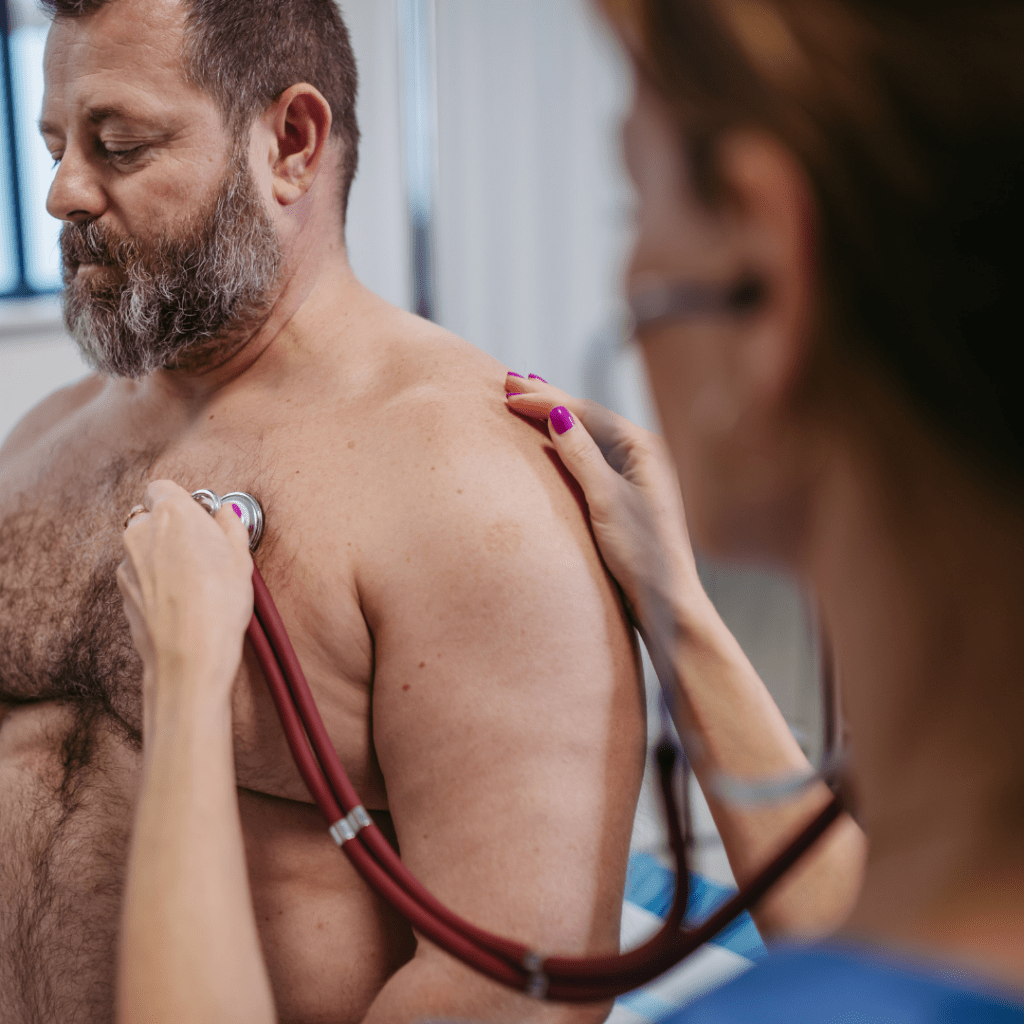
Being overweight or obese is more than just a cosmetic concern. It’s a complex health issue that significantly increases your risk for a range of serious diseases. These include:
- Type 2 Diabetes: Excess weight can lead to insulin resistance, making it harder for your body to regulate blood sugar.
- Heart Disease: Being overweight puts a strain on your heart, increasing your risk of high blood pressure, high cholesterol, and heart attacks.
- Gallbladder Disease: Gallstones are more common in overweight individuals.
- Certain Cancers: Several types of cancer, including colon, breast, and endometrial cancer, have been linked to obesity.
- Arthritis and Gout: Excess weight puts extra stress on your joints, increasing the risk of osteoarthritis. Gout, a form of inflammatory arthritis, is also associated with being overweight.
These are just some of the potential health complications associated with excess weight. It’s crucial to understand these risks to appreciate the importance of maintaining a healthy weight.
The Power of Small Changes: Big Health Benefits
The good news is that you don’t have to reach an “ideal” weight to experience significant health improvements. Even losing a small percentage of your body weight – just 5-10% – can have a profound impact on your health.
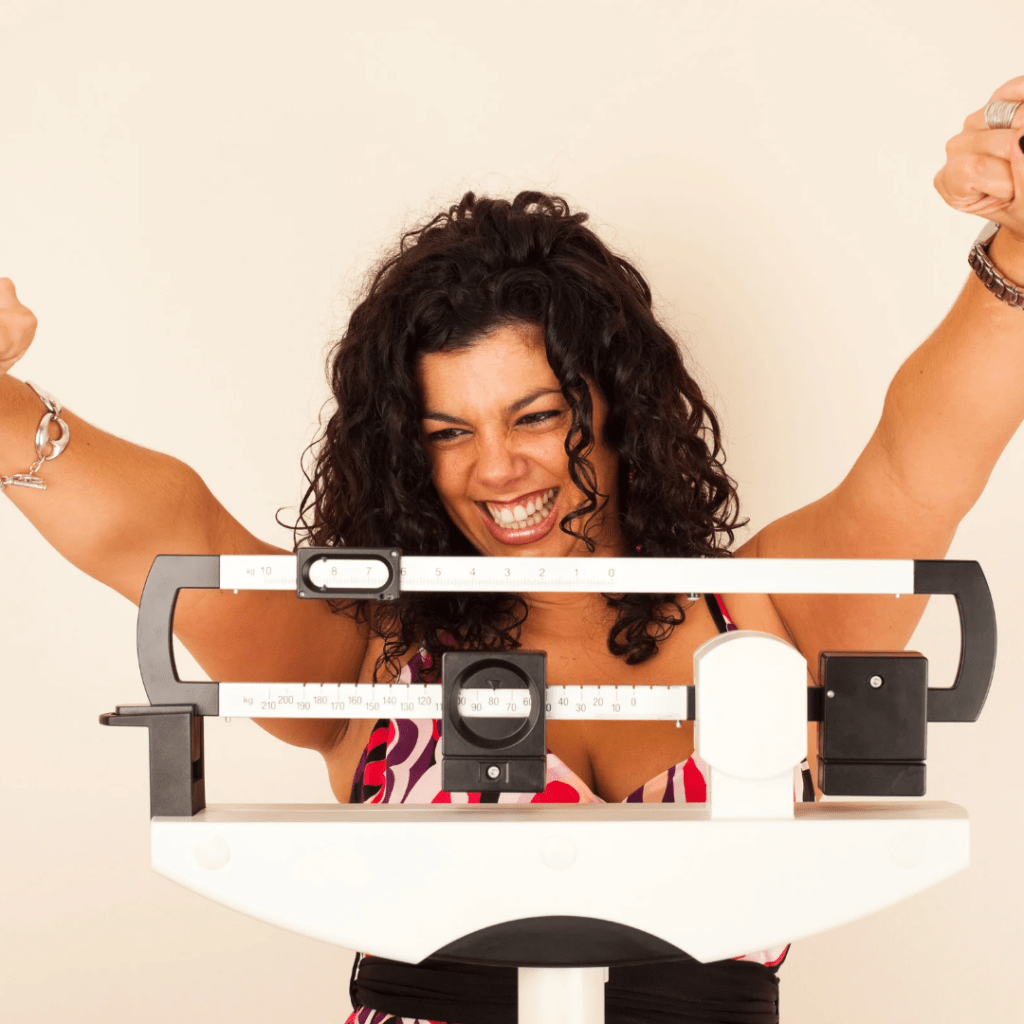
This modest weight loss can lead to:
- Lower Blood Pressure: Reducing excess weight eases the burden on your heart, often leading to lower blood pressure readings.
- Improved Cholesterol Levels: Weight loss can positively affect your cholesterol profile, lowering “bad” cholesterol (LDL) and often raising “good” cholesterol (HDL).
- Better Blood Sugar Control: Even a small amount of weight loss can improve insulin sensitivity and help regulate blood glucose levels, reducing the risk of type 2 diabetes or helping manage existing diabetes.
- Reduced Joint Pain: Losing weight lessens the stress on your joints, which can alleviate pain and improve mobility for those with arthritis.
- Increased Energy Levels: Carrying less weight can lead to improved energy levels and overall well-being.
The Sustainable Approach: Slow and Steady Wins the Race
When it comes to weight loss, the key is sustainability. Crash diets and extreme measures might offer quick results, but they are rarely maintainable in the long run and can even be detrimental to your health. The recommended safe and sustainable rate of weight loss is 1-2 pounds per week or about 5 pounds per month.

Why is slow weight loss so important?
Because it focuses on losing fat mass, not just water weight. Rapid weight loss often involves significant water loss, which can be quickly regained, leading to frustration and discouragement. A slow and steady approach allows your body to adjust gradually, making it easier to maintain your weight loss in the long term.
Tips for Sustainable Weight Loss:
- Focus on Healthy Eating: Prioritize whole, unprocessed foods like fruits, vegetables, lean proteins, and whole grains. Limit your intake of processed foods, sugary drinks, and excessive saturated and unhealthy fats.
- Incorporate Regular Exercise: Aim for at least 150 minutes of moderate-intensity aerobic exercise or 75 minutes of vigorous-intensity aerobic exercise per week, along with muscle-strengthening activities twice a week.
- Make Gradual Changes: Don’t try to overhaul your entire lifestyle overnight. Start by making small, manageable changes, such as swapping sugary drinks for water or adding a 30-minute walk to your day.
- Be Patient and Persistent: Weight loss is a journey, not a destination. There will be ups and downs along the way. Be patient with yourself, celebrate your successes, and don’t get discouraged by setbacks.
- Seek Support: Surround yourself with a support system of family, friends, or a weight loss group. Having someone to cheer you on and hold you accountable can make a big difference.
- Consult a Professional: Talk to your doctor or a registered dietitian for personalized advice and guidance on weight loss. They can help you create a plan that is safe and effective for you.
Your Journey to a Healthier You Starts Now
Losing weight and improving your health is an investment in yourself. It’s about more than just the number on the scale; it’s about enhancing your quality of life, reducing your risk of disease, and feeling your best.

Remember, every small step you take toward a healthier lifestyle is a step in the right direction. Start today, and unlock a healthier, happier you.
 Consequently Fit thru Mindful Axn