
 Stretches to Try for Healthy Feet
We often forget to take care of our feet in our daily hustle and bustle. We are always on the go, and our feet bear the brunt of it. It’s time we pay attention to this part of our body that supports us daily. Here, we present some simple yet effective foot stretches that you can incorporate into your routine for better foot health. These exercises are recommended by Laura S. Garrett, a renowned fitness expert.
Towel Stretch
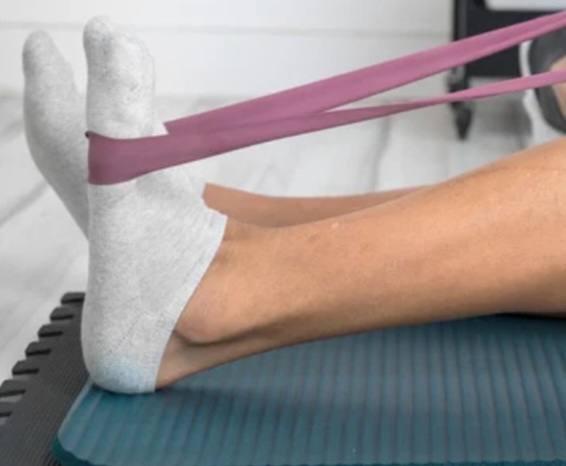 The Towel Stretch. This is an excellent exercise for those who experience foot cramps or stiffness. To perform the Towel Stretch, sit on the floor with your legs extended straight in front of you. Place a towel around the ball of one foot. Hold on to the ends of the towel and gently pull it towards you while keeping your knee straight. Hold this position for 30 seconds and then release. Repeat this on the other foot.
Benefits of towel stretches for foot health:
- Improved flexibility: Towel stretches can help to lengthen the muscles and tendons in the feet, which can improve flexibility and range of motion. This can be especially beneficial for people who wear shoes that restrict the movement of their toes, such as high heels or narrow-toed shoes.
- Strengthened muscles: Towel stretches can also help to strengthen the muscles in the feet, which can improve stability and balance. This can be especially beneficial for people who participate in activities that put a lot of stress on the feet, such as running, dancing, or playing sports.
- Reduced pain: Towel stretches can help to reduce pain in the feet, which can be caused by a variety of conditions, such as plantar fasciitis, Achilles tendonitis, and metatarsalgia.
- Prevented injuries: Towel stretches can help to prevent injuries in the feet, such as plantar fasciitis, Achilles tendonitis, and metatarsalgia.
Calf Stretch
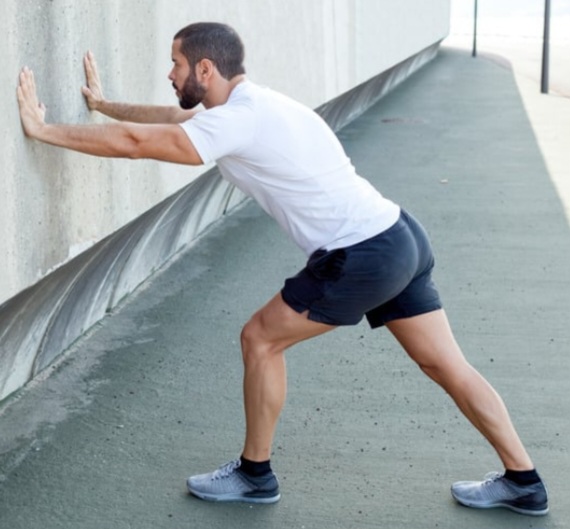 The Calf Stretch is vital for maintaining the flexibility of your lower leg muscles, which can help prevent foot and ankle injuries. Stand arm’s length from a wall and place one foot behind the other. Keeping your back knee straight and your back heel on the ground, lean into the wall until you feel a stretch in your back leg. Hold for 30 seconds, and then switch sides. This stretch can be performed several times a day.
Benefits of Calf Stretch:
- Enhanced Flexibility and Range of Motion: Regular calf stretches effectively lengthen and loosen the muscles in your calves, improving their flexibility and range of motion. This increased flexibility can make it easier to perform activities that require ankle dorsiflexion, such as running, jumping, and climbing stairs.
- Reduced Risk of Injury: Tight calf muscles can be a major contributor to foot and ankle injuries, such as plantar fasciitis, Achilles tendonitis, and ankle sprains. By regularly stretching your calves, you can help to prevent these injuries from occurring and keep your feet healthy and strong.
- Improved Blood Circulation: Calf stretches promote better blood circulation to the feet and ankles, delivering essential oxygen and nutrients to the muscles and tissues. This improved circulation can help to reduce muscle fatigue, soreness, and cramps, keeping your feet feeling energized throughout the day.
- Enhanced Proprioception and Balance: Proprioception refers to your body’s awareness of its position in space. Regular calf stretches can improve proprioception, leading to better balance and coordination. This enhanced balance can help to reduce the risk of falls and other injuries.
- Reduced Pain and Inflammation: Calf stretches can be particularly beneficial for individuals experiencing pain and inflammation in their feet or ankles. Stretching helps to alleviate tension and stiffness in the muscles, reducing discomfort and promoting healing.
Toe Spread
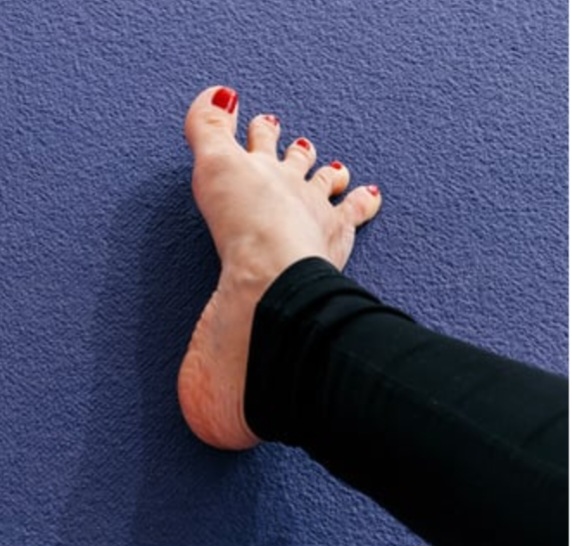
 The Toe Spread is a simple exercise that helps increase the flexibility of your toes. It can also help relieve stress and tension in your feet. To do this, sit comfortably on a chair with your feet flat on the floor. Lift your right foot and spread your toes as wide as possible. Hold for a few seconds, and then release. Repeat this exercise a few times and then switch to your left foot.
Benefits of Toe Spread Stretch:
- Improves flexibility and range of motion in the toes and feet: Toe spread stretches help to lengthen the muscles and tendons in the feet, which can improve flexibility and range of motion. This can be especially beneficial for people who wear shoes that restrict the movement of their toes, such as high heels or narrow-toed shoes.
- Strengthens the muscles in the feet: Toe spread stretches help to strengthen the muscles in the feet, which can improve stability and balance. This can be especially beneficial for people who participate in activities that put a lot of stress on the feet, such as running, dancing, or playing sports.
- Reduces pain and inflammation: Toe spread stretches can help to reduce pain and inflammation in the feet, which can be caused by a variety of conditions, such as plantar fasciitis, Achilles tendonitis, and metatarsalgia.
- Prevents foot deformities: Toe spread stretches can help to prevent foot deformities, such as bunions and hammertoes.
- Improves circulation: Toe spread stretches can help to improve circulation in the feet, which can help to prevent problems such as foot cramps, numbness, and tingling.
Precautions
Here are some precautions or modifications that should be made for individuals with specific foot conditions or injuries:
Plantar fasciitis:
This is a common condition that causes pain in the heel and arch of the foot. It is often caused by overuse or repetitive impact. Treatment typically involves rest, ice, compression, and elevation (RICE), as well as stretching and strengthening exercises.
Precautions for plantar fasciitis include:
- Avoiding activities that cause pain, such as running or jumping.
- Wearing shoes with good arch support.
- Stretching before and after activity.
- Rolling a frozen water bottle under your foot.
Achilles tendonitis:
This is an inflammation of the Achilles tendon, which is the thick band of tissue that connects the calf muscles to the heel bone. It is often caused by overuse or repetitive impact. Treatment typically involves rest, ice, compression, and elevation (RICE), as well as stretching and strengthening exercises.
Precautions for Achilles tendonitis include:
- Avoiding activities that cause pain, such as running or jumping.
- Wearing shoes with good heel support.
- Stretching before and after activity.
- Avoiding walking barefoot.
Metatarsalgia:
This is a pain in the ball of the foot. It is often caused by overuse, poorly fitting shoes, or high heels. Treatment typically involves rest, ice, compression, and elevation (RICE), as well as wearing shoes with good arch support and avoiding high heels.
Precautions for metatarsalgia include:
- Wearing shoes with good arch support and a wide toe box.
- Avoiding high heels.
- Using metatarsal pads or cushions in your shoes.
- Applying ice to the area.
Arthritis:
This is a condition that causes inflammation and pain in the joints. There are many different types of arthritis, including osteoarthritis, rheumatoid arthritis, and gout. Treatment for arthritis typically involves medication, physical therapy, and lifestyle changes.
Precautions for arthritis include:
- Resting the affected joints.
- Applying ice or heat to the area.
- Wearing shoes with good arch support and a wide toe box.
- Using a cane or walker if needed.
- Taking medication as prescribed by your doctor.
Diabetic foot ulcers:
These are ulcers that occur on the feet of people with diabetes. They are a serious complication of diabetes and can lead to infection, amputation, and even death. Prevention is the best way to manage diabetic foot ulcers.
Precautions for diabetic foot ulcers include:
- Checking your feet daily for cuts, blisters, or other wounds.
- Washing your feet daily with warm, soapy water and drying them thoroughly.
- Wearing shoes that fit well and provide good support.
- Keeping your blood sugar levels under control.
- Seeing your doctor regularly for foot exams.
Conclusion
Remember, our feet carry us throughout life, and it’s essential to give them the care they deserve. By incorporating these simple stretches into your daily routine, you can help ensure your feet remain healthy and strong. Happy stretching!
 Consequently Fit thru Mindful Axn