If you are working out to stay strong, mobile, and active, standard dietary advice will fall short. As we age, our bodies become less efficient at processing protein—meaning the minimum guidelines for survival won’t cut it anymore. To maintain muscle mass, speed up recovery, and protect your mobility for the long haul, your protein intake needs a strategic upgrade. Here is exactly how much you need and how to hit your targets daily.
How to Calculate Your Daily Protein Target
How much protein do you actually need? While general guidelines suggest baseline survival amounts, active adults need significantly more to build and repair muscle tissue. Your exact target depends on your weight, training intensity, and age.
The Math: Multiply your body weight in pounds by 0.55 to 0.9. For a 150-pound adult, this translates to 83 to 135 grams of protein daily.
Protein Targets for Active Adults Over 50
| Bodyweight | Baseline Target (0.55 g/lb) | Active Aging / Training Target (0.9 g/lb) |
|---|---|---|
| 120 lb | 66 g/day | 108 g/day |
| 130 lb | 72 g/day | 117 g/day |
| 140 lb | 77 g/day | 126 g/day |
| 150 lb | 83 g/day | 135 g/day |
| 160 lb | 88 g/day | 144 g/day |
| 170 lb | 94 g/day | 153 g/day |
| 180 lb | 99 g/day | 162 g/day |
| 190 lb | 105 g/day | 171 g/day |
| 200 lb | 110 g/day | 180 g/day |
The lower target uses about 0.55 grams per pound of body weight, which may be appropriate for generally active adults. The higher active-aging target uses about 0.9 grams per pound, which may better support strength training, muscle preservation, recovery, and active adults over 50.
These numbers are practical estimates, not medical prescriptions. Individual needs can vary based on training load, health history, kidney function, body composition goals, and total calorie intake.
However, age plays a massive role in where you should aim within that range:
Active Older Adults: As the years go by, our bodies naturally face a hurdle known as anabolic resistance, meaning the muscles become less efficient at processing amino acids. Because of this, active older adults should consistently aim for the higher end of the spectrum (closer to 0.8 or 0.9 g/lb) to maintain existing lean mass and properly recover.
Intense Training Days: If you have an exceptionally intense workout session, your daily protein needs naturally increase to support accelerated muscle repair. On these heavy training days, aiming for the absolute top of the range (0.9 grams per pound) ensures a 150-pound adult hits the 135 grams necessary to maximize their recovery and keep their performance sharp.
Myths About High Protein Requirements for Active Adults and Kidney Stress
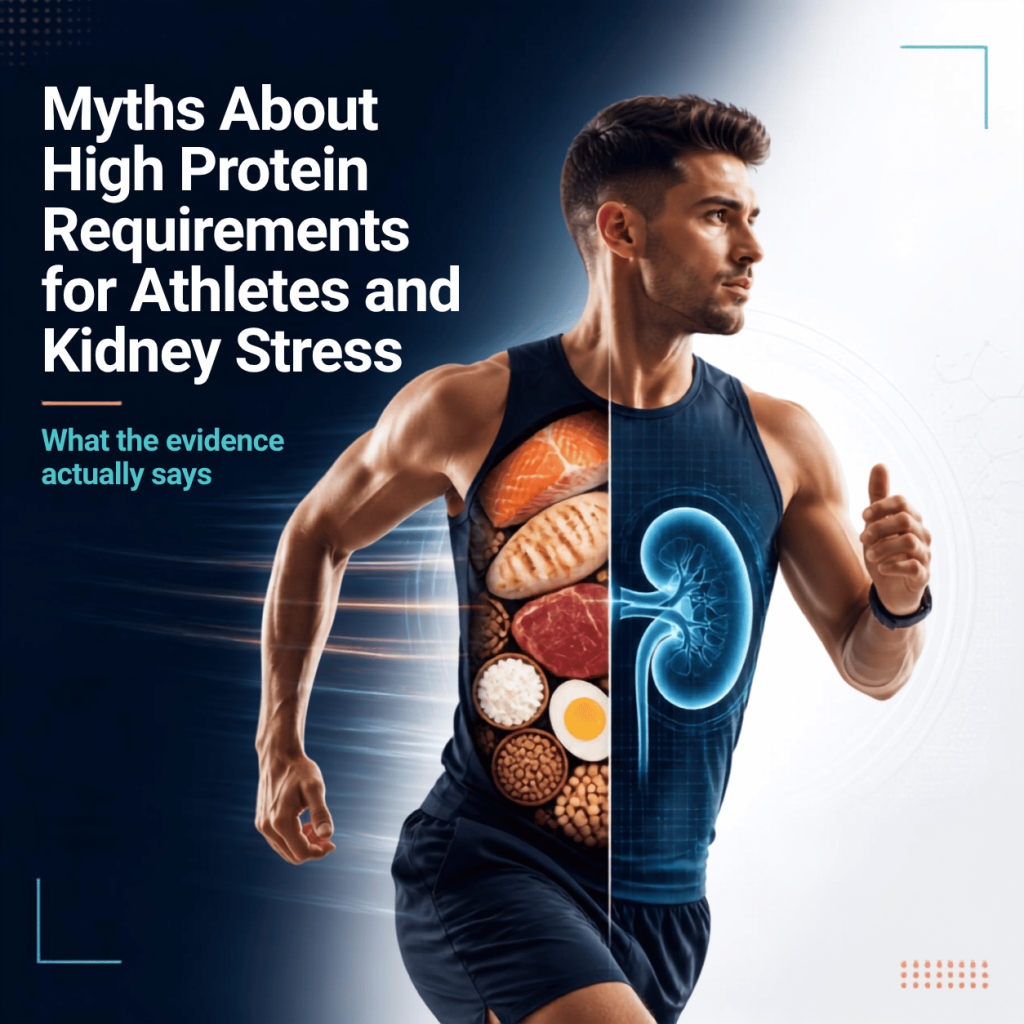
You might have heard that eating a high-protein diet puts unnecessary strain on your heart or kidneys. However, modern sports science has thoroughly debunked this myth. Where did the idea that protein hurts your kidneys come from? It’s based on dietary guidelines meant strictly for people who already have kidney disease. Ultimately, if you’re healthy and active, eating a lot of protein is perfectly safe. Despite the old myths, bumping up your protein intake won’t damage your kidneys or hurt your heart.
A sweet spot to aim for to trigger muscle repair fully is 30 grams of protein per meal. After a hard workout, aim for 35-40 grams.
Best Food Sources to Meet Protein Requirements for Active Adults
There are many good examples of protein sources, both animal and plant-based. Sources include:
Animal-based protein sources: Lean meats (beef, chicken, turkey), Fish, Seafood, Eggs, Dairy (milk, cottage cheese, Greek yogurt)
Plant-based protein sources: Soy products (tofu, tempeh, edamame, soy nuts), Nuts (almonds, peanuts, walnuts, pistachios), Seeds (chia, pumpkin, hemp), Beans, Lentils, Chickpeas
Complete vs. Incomplete Protein Sources
Not all protein sources are created equal when it comes to meeting the daily protein requirements for active adults. To be considered a “complete” protein, a food must provide all nine essential amino acids. Essential amino acids are ones your body cannot produce on its own. Animal proteins—like fish, dairy, and eggs—naturally have all nine. Most plant proteins don’t, aside from a few exceptions like soy and quinoa. Fortunately, you don’t need to overthink it. Eating a variety of plant proteins throughout the day gives your body what it needs to piece together a complete protein.
For overall health, look beyond protein count. It is also important to look at the ‘baggage’ your protein carries. Many animal-derived sources can be high in saturated fat and sodium, making a strong case for incorporating more lean, heart-healthy plant options into your routine. Consequently, diversify your plate with whole, nutrient-dense foods. Limiting protein sources low in saturated fat, cholesterol, and sodium is important, especially if you are at risk of heart disease.
Ultimately, the best way to get enough protein is to eat a variety of protein-rich foods from different food groups. Eating a variety will help you get all the essential amino acids and nutrients your body needs.
If you are looking for a convenient way to increase your protein intake, protein powder is a good option, especially for vegetarians or those who don’t eat much meat. Protein powder can be used to supplement your diet or to make protein shakes and other drinks. When choosing a protein powder, it is important to consider your individual needs and preferences.
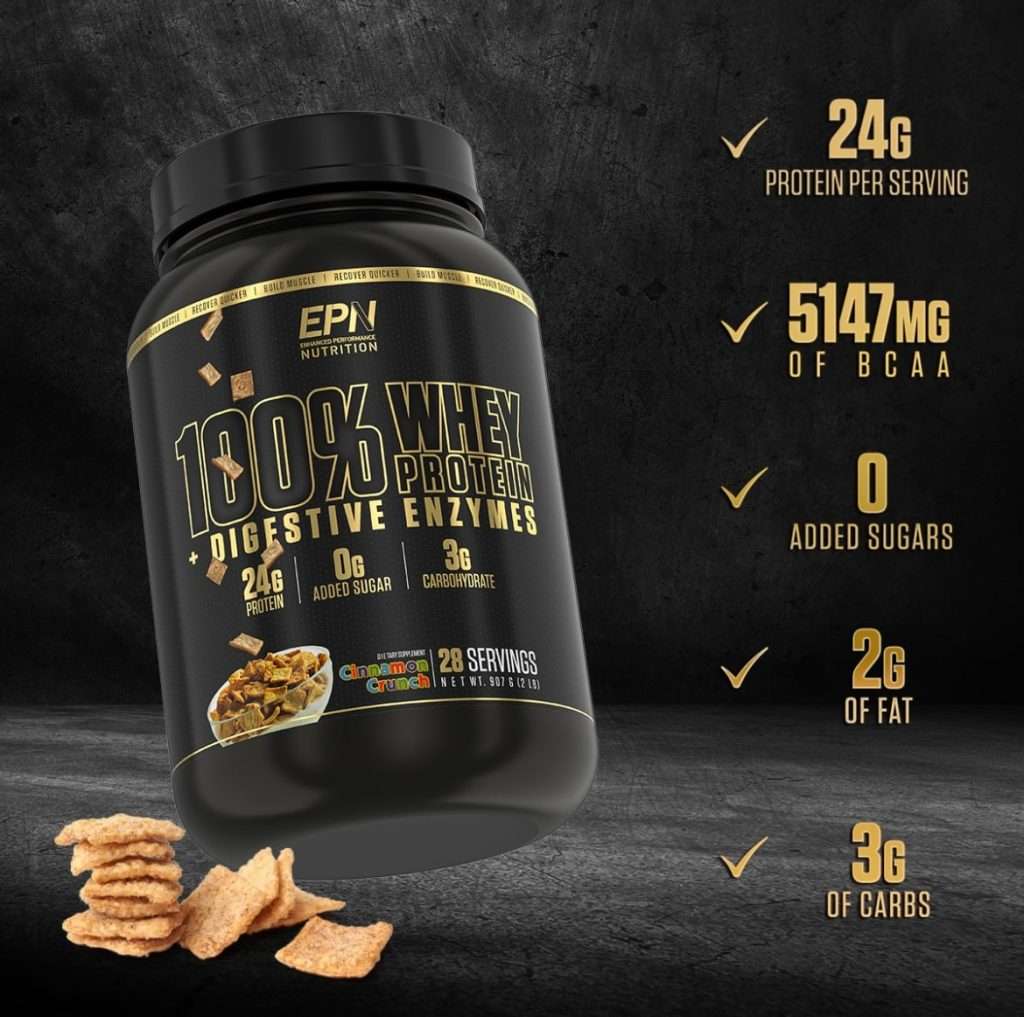
If you are looking for a protein powder from a company you can trust, here is a link to EPNutrition. The company is based in America, manufactures and tests its products for quality, and includes no banned substances. Use code: LGARRETT for 10% off your order today!
EPN Protein Powders
How Absorption Rates Impact Protein Requirements for Active Adults
Studies have measured the protein absorption rate in the gut per hour. Here’s what they’ve found:
- Whey protein: 8 to 10 grams per hour
- Casein: about 6 grams per hour
- Cooked egg protein: 3 grams per hour
According to a comprehensive review published in the International Journal of Sport Nutrition and Exercise Metabolism, these rates reflect the baseline speed at which the gastrointestinal tract can process individual protein sources. Knowing how fast these different proteins digest shows exactly why spacing out your meals is the best way to get results.
Misconception: The belief that any protein consumed beyond a certain limit is wasted leads people to miscalculate the true protein requirements for active adults. Your body adapts by slowing the digestive process, allowing it to absorb and use nutrients more gradually over a longer period. Therefore, distributing your protein intake across multiple meals provides a continuous supply of amino acids, fueling muscle tissue and preventing breakdown.
When possible, match the protein source at each meal to your current needs. For example, whey protein is fast-acting, making it an excellent choice post-workout. That being said, if you have a milk protein allergy, pea protein has the fastest absorption rate of plant protein sources. While it is not as rapidly absorbed as whey, pea protein is nonetheless highly comparable.
To optimize your recovery, aim to include a quality protein source at every main meal and snack!
Simple Tips to Meet Daily Protein Requirements for Active Adults
- Eat protein at every meal and snack.
- Choose lean protein sources, such as chicken, fish, beans, and lentils.
- Add protein powder to smoothies, yogurt, or oatmeal.
- Snack on nuts and seeds.
- Eat a protein-rich breakfast.
- Drink plenty of fluids, as dehydration can lead to muscle breakdown.
- Get enough sleep, as sleep is essential for muscle repair.
By following these tips, you can easily hit the optimal protein requirements for active adults and consistently support your performance.
The “Dimmer Switch” Effect: Anabolic Resistance

As we get older, our muscles become less responsive to amino acids—a biological phenomenon known as anabolic resistance. Think of it as a dimmer switch: a 20-year-old can trigger muscle repair with a small serving of protein, whereas an adult over 50 requires a higher concentration of amino acids to flip that same switch.
While a younger adult can trigger robust muscle repair with a modest serving of protein, active adults over 50 require a much higher concentration of amino acids to flip that same switch. Fall short of this threshold, and your body burns that protein for general energy instead of rebuilding muscle tissue. Standard dietary guidelines only target the bare minimum needed for basic survival—and for anyone focused on preserving strength, recovery, and lifelong mobility, that baseline advice falls completely short.
The Solution: Hitting the Leucine Target
The key to flipping that muscle-building switch is leucine, an essential amino acid that signals your body to initiate muscle repair.
To overcome anabolic resistance, active adults over 50 need 2.5 to 3 grams of leucine per meal.
What this looks like in practice: Grazing on small bits of protein throughout the day won’t flip the switch. Instead, aim for 30 to 40 grams of high-quality protein in a single meal to hit your leucine threshold and stimulate muscle protein synthesis.
“Previous studies have shown that the distribution of protein intake at mealtime could also positively impact muscle health in older people, with evidence indicating an intake of 25–30 g of protein at each meal as adequate… and higher doses up to 40g depending on the leucine content.”
Protein and Leucine Intake at Main Meals in Elderly People (MDPI)
Why Meeting Protein Requirements Protects Aging Metabolism
Ensuring you meet the elevated protein requirements for active adults isn’t just about athletic performance—it is a critical shield for your metabolic health. As we age, a sedentary lifestyle or improper fueling can lead to sarcopenia (the age-related loss of muscle mass and function).
Because skeletal muscle is your body’s primary storage house for blood glucose, losing muscle tissue as it naturally happens with age slows your natural metabolic engine. The result is an increased risk of insulin resistance and type 2 diabetes. Protecting your metabolism as you age means getting serious about your protein intake.
Protein is also the only macronutrient that actively boosts your metabolism. When you digest a high-protein meal compared to one heavy in fats or carbs, your body burns significantly more calories when the meal is protein-forward. If you want to maintain a lean body composition and reduce unnecessary stress on your joints as you get older, keeping your protein intake high is a no-brainer.
Practical Blueprint for Active Adults
To put this cutting-edge science into practice, focus on these three rules:
Aim for the Upper Target: Calculate your daily range using the upper end of the spectrum, 0.8 to 0.9 g per pound of body weight.
Prioritize Per-Meal Minimums: Instead of just looking at your daily total, ensure at least two to three meals during the day cross that 30-to-40-gram threshold to successfully hit your leucine trigger.
Go for fast-digesting protein after you train. Since our digestive efficiency tends to slow down as we get older, a fast-absorbing liquid option—like whey isolate or a plant-based pea protein—is incredibly helpful. Drinking a shake within an hour of your workout guarantees your muscles get an instant dose of exactly what they need to recover and rebuild.
Frequently Asked Questions About Protein After 50
Do older adults need more protein?
Yes, many older adults benefit from eating more protein than the standard minimum recommendation. As we age, the body becomes less efficient at using protein to repair and build muscle. This is often called anabolic resistance.
For active adults over 50, protein helps support:
- Muscle preservation
- Strength training recovery
- Bone and joint support
- Healthy metabolism
- Satiety during weight management
- Better recovery after exercise
The goal is not simply to eat “more protein,” but to spread enough high-quality protein across the day so your body has what it needs to repair and stay strong.
How much protein should women over 50 eat?
Many active women over 50 do well with about 0.55 to 0.9 grams of protein per pound of body weight per day. Women who strength train, run, are working on weight management, or want to preserve muscle may need the higher end of that range.
For example:
- A 130-pound woman may need about 72 to 117 grams per day
- A 150-pound woman may need about 83 to 135 grams per day
- A 170-pound woman may need about 94 to 153 grams per day
A practical approach is to aim for 25 to 40 grams of protein at each main meal, depending on body size and activity level.
Is whey protein safe?
For most healthy adults, whey protein is safe and can be a convenient way to meet daily protein needs. Whey is a complete protein, meaning it contains all nine essential amino acids. It is also rich in leucine, the amino acid that helps trigger muscle repair.
Whey protein may be especially helpful after workouts because it digests quickly. However, it is not required. You can also meet your needs through foods like Greek yogurt, eggs, fish, poultry, tofu, tempeh, beans, lentils, and other protein-rich foods.
People with milk allergies, lactose intolerance, kidney disease, or specific medical conditions should check with a qualified healthcare professional before adding protein supplements.
How much protein after a workout?
After a workout, many active adults over 50 benefit from about 30 to 40 grams of high-quality protein. This amount helps provide the amino acids needed for muscle repair and recovery.
Good post-workout protein options include:
- Greek yogurt with fruit
- Eggs with whole-grain toast
- Cottage cheese
- Tuna or salmon
- Chicken or turkey
- Tofu or tempeh
- A whey or pea protein shake
Protein is important after exercise, but total daily intake matters most. The best results come from getting enough protein across the whole day, not just after one workout.
Taking Your Performance to the Next Level

Dialing in your protein and fighting off age-related muscle loss shouldn’t feel like a part-time job. While adjusting your plate for harder training days is important, you shouldn’t need a spreadsheet to eat well. Staying active and strong as you get older requires a practical approach tailored to your specific body and lifestyle.
If you are ready to stop guessing and start fueling with precision, let’s work together to optimize your nutrition, protect your hard-earned muscle, and elevate your energy for the long haul.
Enjoyed learning about the leucine trigger? Check out my ultimate guide to Running After 50 to see how to pair your nutrition with the perfect longevity training routine!
Ready to stop guessing about protein, recovery, and training after 50? Work with Laura to create a personalized nutrition and fitness plan that supports muscle preservation, sustainable energy, strength, and long-term active aging.
Start here: Online Coaching for Fitness, Nutrition, and Real Results
Helpful next steps
- If weight management is one of your goals, read: Sustainable Weight Loss After 50
- If you run or want to stay active safely after midlife, read: How to Master Running After 50 with Vitality
- For more on recovery nutrition timing, read: Post-Exercise Meal Timing
- Explore personalized active aging fitness and nutrition coaching: Professional Services