
As we get older, dividing our fitness and food choices into rigid “good” and “bad” boxes is counterproductive. Beating yourself up over a missed workout or a heavy meal completely misses the point. A longevity fitness approach helps you move past perfectionism and focus on what really matters: staying strong, mobile, energetic, and independent for as long as possible.
The Consequently Fit mindset skips the pressure to be perfect and focuses on habits you can actually stick with. Instead of asking, “Was I perfect today?” ask, “Did my choices support the kind of body I want to have 10, 20, or 30 years from now?” That shift alone can make fitness feel more sustainable, more motivating, and much less stressful.
For active aging, it all comes down to one basic question: Does this choice support my ability to stay independent, mobile, and strong for the next twenty years?
Using Longevity Fitness to Move Beyond Labeling

Rather than labeling a choice as “good” or “bad,” we should evaluate it through the lens of longevity fitness. How will the choices you make support your long-term function and quality of life?
Strength Training for Longevity Fitness
Instead of viewing strength training as a “good habit,” see it as an essential investment in muscle mass, bone density and metabolic health. Getting stronger helps you in your everyday life. Furthermore, the more capable your body is now, the more independence you’re protecting later. Science supports this proactive approach; in fact, research from the National Institutes of Health highlights that staying active is the most effective way to slow sarcopenia (the age-related loss of muscle and strength) and maintain functional strength as we age.
Functional Longevity Fitness Movement Patterns
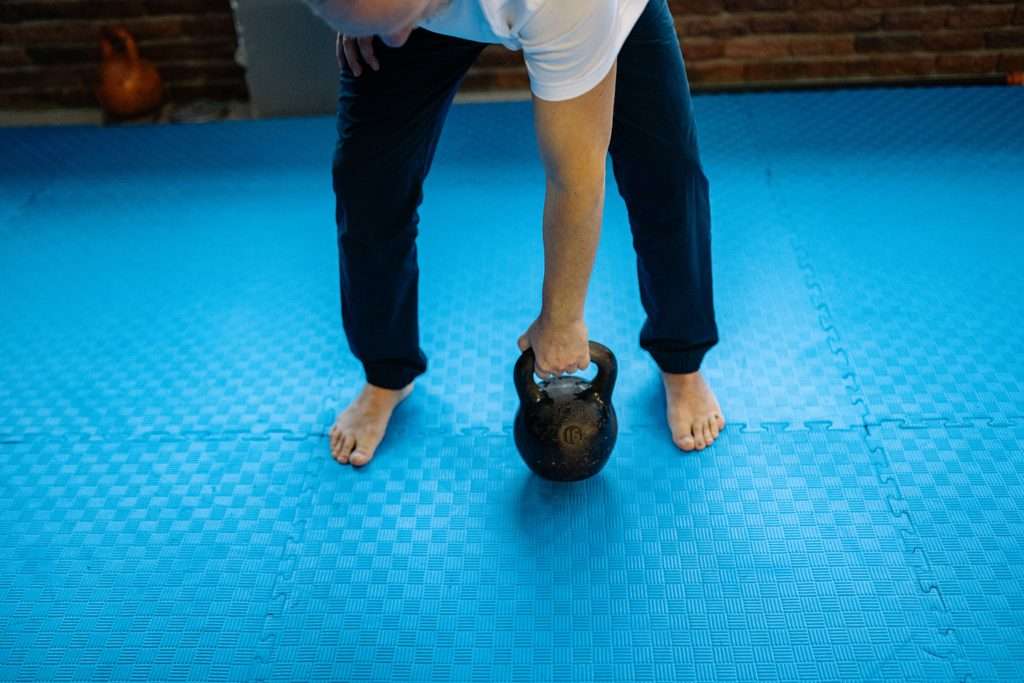
To maximize longevity, strength training should prioritize major functional movement patterns—pushing, pulling, hinging, squatting, and carrying. Heavy isolation exercises have their place, but compound movements mimic real-world activities like standing up from a low chair, carrying groceries, or lifting heavy objects overhead.
- Progressive Resistance: You don’t need to lift maximum weights to trigger muscle protein synthesis and preserve bone density. Utilizing controlled, progressive resistance—whether with resistance bands, dumbbells, or bodyweight exercises such as elevated push-ups—builds power while minimizing joint shear forces.
- Grip Strength & Core Stability: Simple additions like farmer’s carries or deadbugs improve grip strength and trunk stability, two primary bio-indicators strongly correlated with fall prevention and overall functional independence in later years.
Mobility and Balance for Longevity Fitness
Muscle strength creates the foundation, but mobility and balance ensure you can use that strength safely. Joint stiffness can alter your gait and restrict movement, increasing the risk of stumbles.
- Daily Ankles & Hips Care: Incorporating lightweight ankle mobility exercises and hip openers keeps your base of support agile and responsive when stepping over obstacles or navigating uneven terrain.
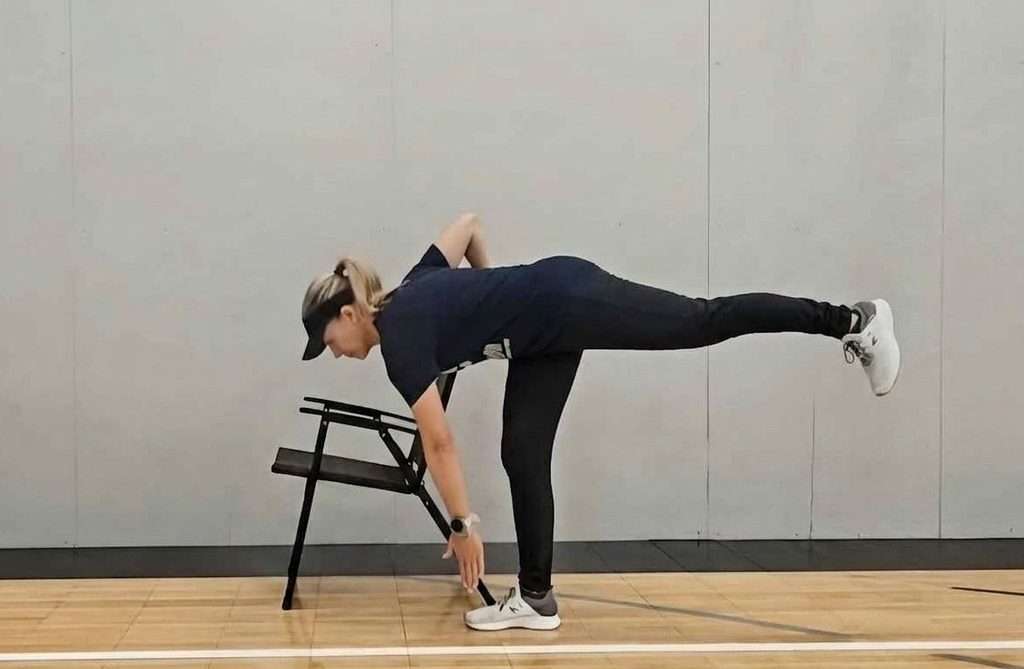
- Single-Leg Stability: Movements like single-leg stance holds, heel-to-toe walking, or controlled single-leg deadlifts challenge your proprioception—your body’s inner GPS. Training this balance system conditions your nervous system to react instantly and recover from missteps to prevent falls.
Prioritizing Rest and Recovery
Don’t call a rest day “lazy.” Recovery rest days allow your body to repair muscle tissue, restore energy levels, and help your nervous system reset. Think of these moments as ‘active maintenance’ for your joints and tissues, which become even more critical as we age to keep your movement patterns fluid and pain-free. Without adequate recovery, consistency becomes much harder to maintain, and the risk of injury increases. If longevity is the goal, recovery has to be part of the plan.
Nutrition Strategies for Longevity Fitness
Food should be viewed as daily structural support for your body, not a source of guilt or punishment. Moving away from restrictive diet mentalities allows you to focus on nutrient-dense meals that help you preserve muscle, manage systemic inflammation, and recover effectively from training.
If you’re unsure how to structure your daily eating, focus on these three core fueling pillars:

- Protein Distribution: Rather than backloading all your protein at dinner, aim to distribute 25–35 grams of high-quality protein evenly across all meals. This keeps your muscle tissue supplied with leucine, the key amino acid that triggers muscle protein synthesis and protects lean mass as you age. For a more detailed breakdown, explore our guide to protein requirements for athletes and active agers.
- Anti-Inflammatory Whole Foods: Emphasize vibrant whole foods rich in antioxidants and healthy fatty acids—like leafy greens, berries, extra virgin olive oil, and wild-caught fish—to counteract exercise-induced oxidative stress and promote joint flexibility.
- Hydration & Electrolytes: Age-related changes can dull natural thirst signals, allowing subtle dehydration to set in. Maintaining consistent fluid and electrolyte levels throughout the day directly supports joint lubrication, tissue elasticity, and steady energy during workouts.
When you stop worrying about “eating perfectly” and start focusing on intentional fueling, your food choices become a proactive tool for long-term health and independence.
Making the Longevity Fitness Shift: Three Ways to Start Today
Progress is built through consistency, not perfection.

Shifting your mindset takes time. Start with small, manageable steps. Replacing passive habits with active, intentional choices. By applying the three “shifts” below, you will begin to move away from the frustration of ‘perfecting’ your routine and toward the freedom of building a sustainable, long-term lifestyle that honors where your body is today and supports the goals of your longevity fitness journey tomorrow.
Shift Your Language
Pay attention to how you talk to yourself about your habits. Scenario: Skipped a workout? Resist the urge to write the day off as a failure. Frame it: “I needed rest today, and I’ll get back to movement tomorrow.” Reclaiming your routine quickly keeps a single missed session from turning into a missed month.
Shift Your Focus From ‘Why’ to ‘What’
Before you exercise or choose a meal, ask what that decision is helping you build. What will this workout do to help your joints feel better, improve your balance, or make daily movement easier? What in your meal will help you recover and feel energized? (Refer back to the Nutrition section above for help.) When you connect choices to outcomes, motivation becomes much stronger.
Shift to Prioritizing Recovery as Training
Treat recovery like a real part of your fitness routine, not an afterthought. Reframe time as an active choice for your longevity. Put it on your calendar. Protect it. Value it. Whether that means walking, stretching, sleeping more, or simply taking a true rest day, recovery helps you keep showing up for the long run.
Final Thoughts
Longevity fitness isn’t about chasing perfection—it’s about building a body that keeps working for you. When you replace rigid rules with sustainable habits, staying active becomes natural rather than overwhelming.
Pick just one small longevity-focused habit to commit to this week—whether that’s prioritizing 30g of protein at breakfast, practicing single-leg balance, or protecting a dedicated recovery day. For more tips on building momentum, check out 4 Smart Ways to Start a Consistent Fitness Routine.