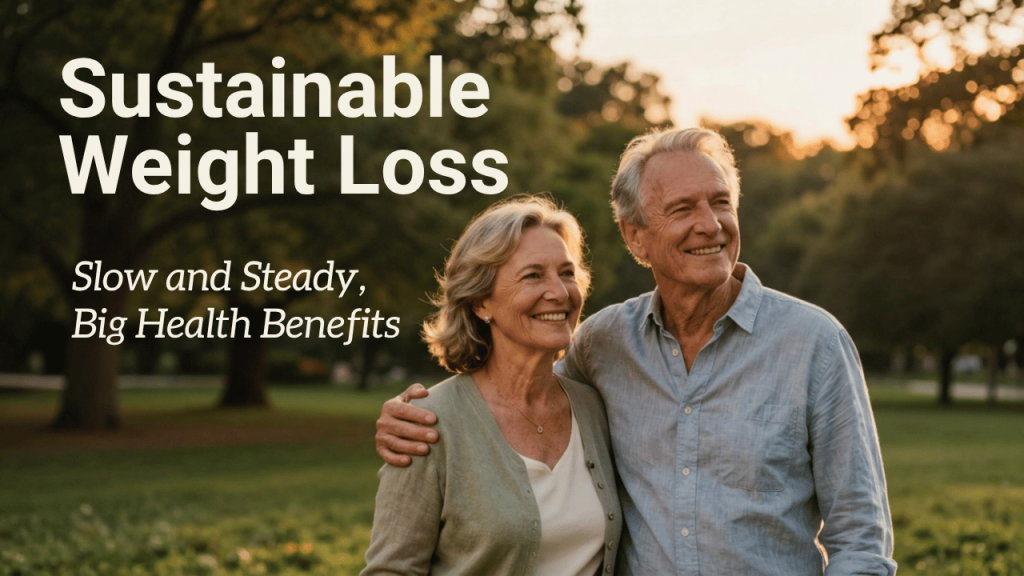
Quick-fix diets promise rapid results, but they almost always sacrifice what matters most after 50: your muscle, joint health, and daily energy. True weight management isn’t about chasing a lower number on the scale at all costs. It’s about burning body fat while keeping the strength and stamina you need to stay active, resilient, and independent.
Below, we’ll explore why sustainable weight management matters for active aging adults, how modest fat loss protects your body, and how to reach your goals without crash dieting, under-fueling, or sacrificing your mobility.
The Health Risks of Excess Weight (and Why Sustainable Weight Loss Matters)
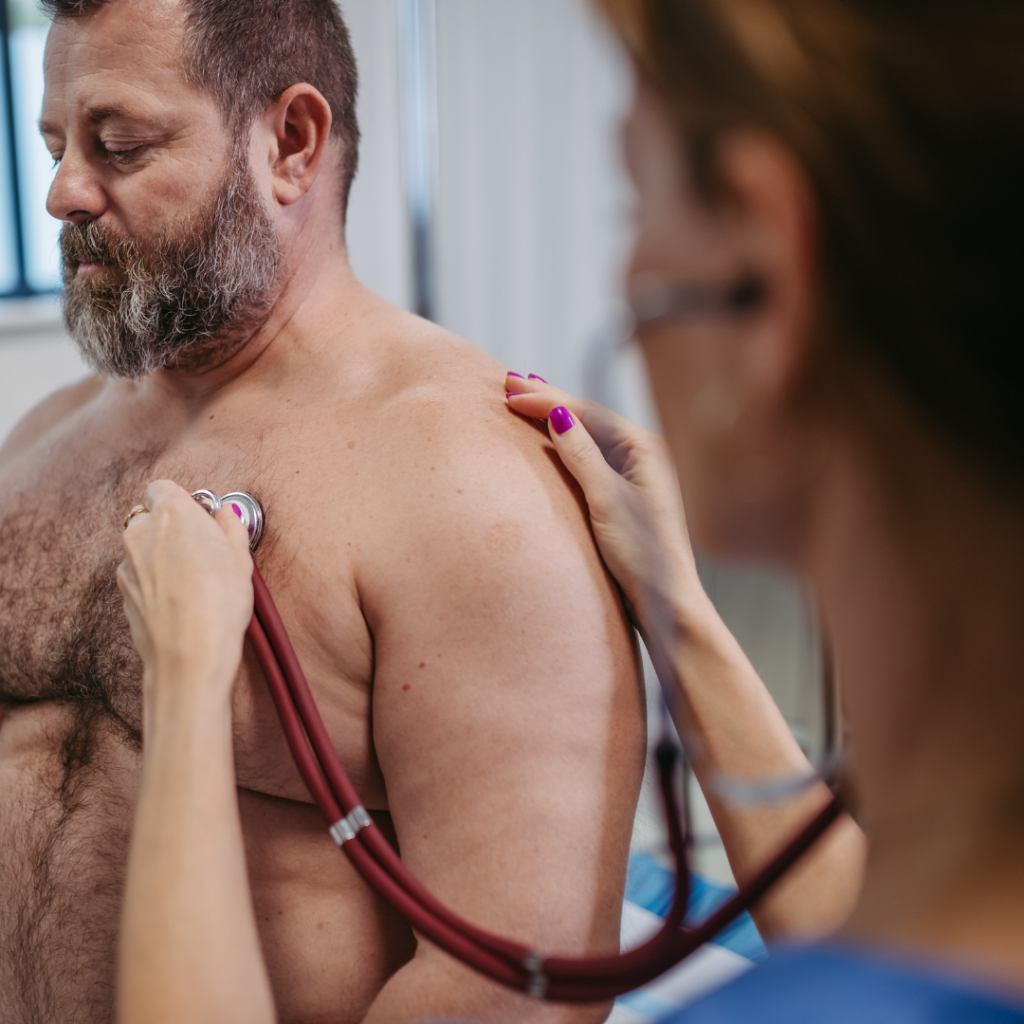
Excess weight carries risks that go far beyond aesthetics, directly impacting your mobility and metabolic health over 50. For example, these include:
- Type 2 Diabetes: Muscle tissue acts as your body’s primary storage site for blood sugar. When you lose muscle alongside fat, your insulin sensitivity suffers, making blood glucose much harder to manage.
- Heart Disease & Blood Pressure: Excess weight forces your heart to pump harder against higher vascular resistance, elevating blood pressure and strain on arterial walls.
- Joint Strain & Osteoarthritis: Weight isn’t just dead weight—it exerts exponential force. Every pound of body weight adds roughly 4 pounds of pressure to your knees with every step. Losing even 5–10 pounds takes 20–40 pounds of load off your joints.
- Gallbladder Disease & Certain Cancers: Higher body fat levels correlate with increased systemic inflammation, elevating the risk for gallstones as well as colon, breast, and endometrial cancers.
How Modest, Sustainable Weight Loss Delivers Big Health Benefits
Fortunately, you do not have to reach an “ideal” weight to experience significant health improvements. Even losing a small percentage of your body weight – just 5-10% – can have a profound impact on your health.
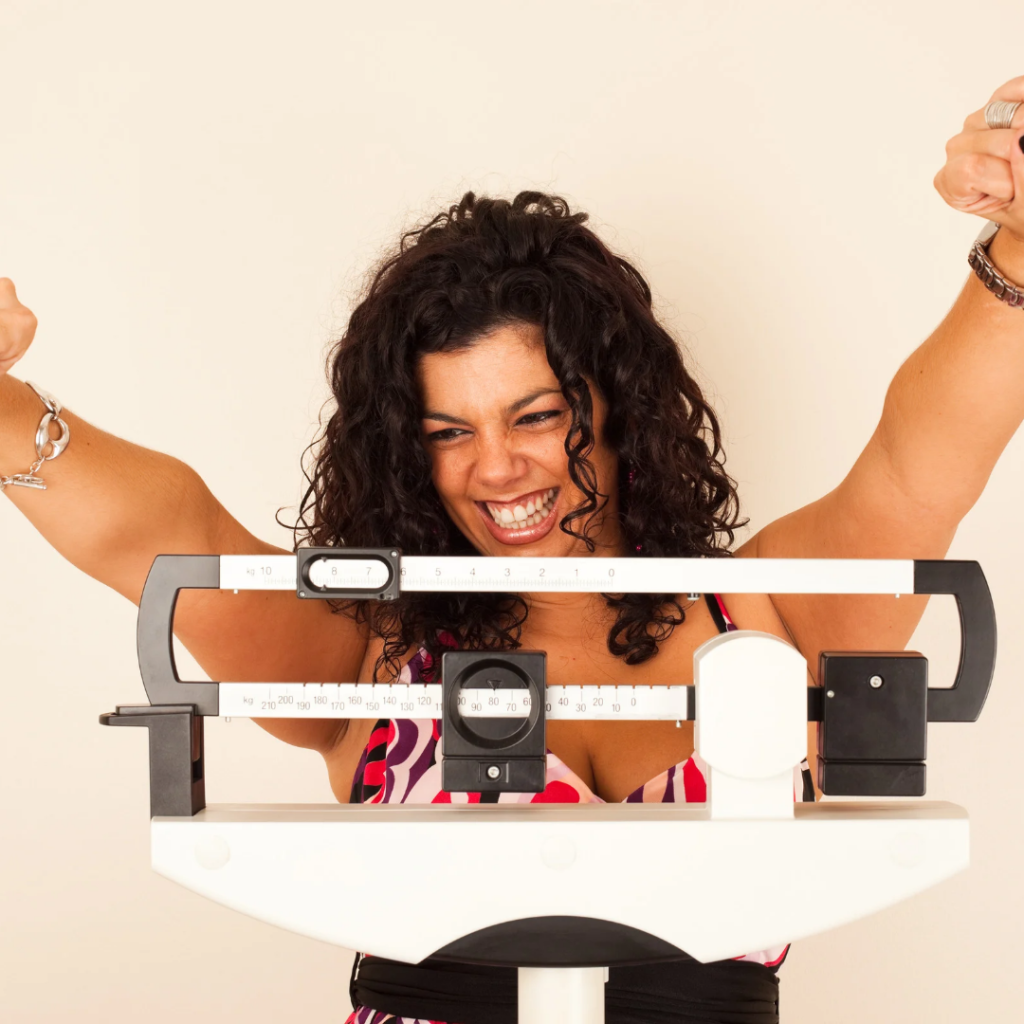
Losing just 5–10% of your body weight can lead to:
- Lower Blood Pressure: Reducing excess weight eases the burden on your heart, often leading to lower blood pressure readings.
- Improved Cholesterol Levels: Weight loss can positively affect your cholesterol profile, lowering “bad” cholesterol (LDL) and often raising “good” cholesterol (HDL).
- Better Blood Sugar Control: Even a small amount of weight loss can improve insulin sensitivity and help regulate blood glucose levels, reducing the risk of type 2 diabetes or helping manage existing diabetes.
- Reduced Joint Pain: Losing weight removes exponential stress from your weight-bearing joints. Research shows that every single pound of body weight lost relieves 4 pounds of compressive pressure from your knees with every step. Dropping just 10 pounds takes 40 pounds of load off your joints during daily walking, significantly reducing wear, tear, and daily aches.
- Increased Energy Levels: Carrying less weight can lead to improved energy levels and overall well-being.
Prioritize Movement That Feels Good
You don’t need grueling, high-impact workouts to see results. Extreme impact often triggers joint flare-ups, halting your consistency before you gain momentum.
Instead, lean on low-impact cardio like cycling, swimming, rowing, or brisk walking. These give your heart and lungs the full cardiovascular benefit without punishing your knees and hips. Pair that cardio with joint-friendly strength training to protect lean muscle—the single most effective way to keep your metabolic rate strong as you age.
Think of simple bodyweight squats to build the muscles around your knees, or light resistance-band work to strengthen your shoulders and improve your posture. By focusing on functional strength, you are not just burning calories; you are actively building the stability and resilience required to stay vibrant, active, and fully independent for years to come. For a broader look at why movement matters, read Exercise Essential for a Healthy Lifestyle.
The Sustainable Weight Loss Approach: Slow and Steady Wins
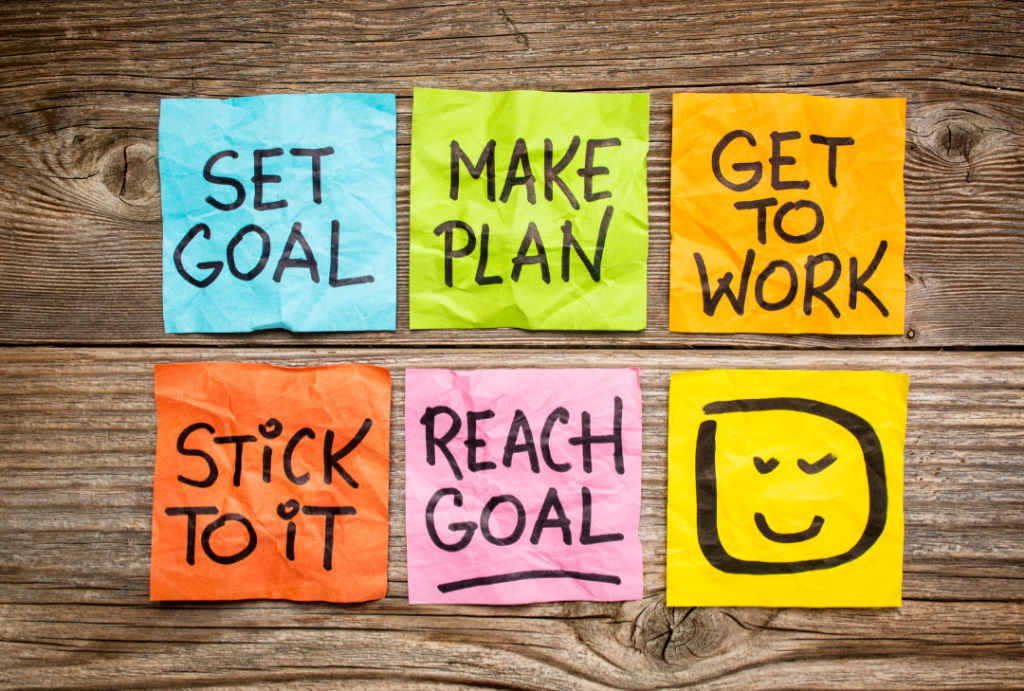
When it comes to weight loss, the key is sustainability. Crash diets and extreme measures might offer quick results, but they are rarely maintainable in the long run and can even be detrimental to your health. The recommended safe and sustainable rate of weight loss is 1-2 pounds per week or about 5 pounds per month.
Why is slow weight loss so important?
Because it focuses on losing fat mass, not just water weight or muscle. Rapid weight loss often involves significant water loss and can increase the risk of losing lean muscle, especially when calories drop too low or protein intake is inadequate. A slow and steady approach allows your body to adjust gradually, making it easier to maintain your weight loss, protect your metabolism, and keep the strength you need for active aging.
Tips for Sustainable Weight Loss
Track Vitality, Not Just Scale Weight: Body composition changes faster than the scale reflects. Notice if you’re sleeping deeper, climbing stairs easier, or carrying groceries without fatigue—those are real indicators of metabolic progress.
Prioritize Protein First: As we age, our bodies naturally lose muscle mass—a process called sarcopenia—and become less efficient at processing protein (anabolic resistance). When you are in a caloric deficit, your body will break down muscle tissue alongside fat if protein is missing. Aiming for 0.55 to 0.9 grams of protein per pound of body weight daily ensures your body has the necessary building blocks to protect your lean muscle, keep your metabolic rate healthy, and maintain daily functional strength. Learn more in Protein Requirements for Active Adults Over 50.
Incorporate Regular Exercise: Aim for a weekly goal of 150 minutes of moderate cardio (or 75 minutes of vigorous work) alongside two muscle-strengthening workouts. You don’t have to punish your body to see results—choose joint-friendly staples like walking, cycling, swimming, rowing, bands, or bodyweight training that keep you moving pain-free.
Increase Daily NEAT: Non-Exercise Activity Thermogenesis (NEAT)—the movement you do outside dedicated workouts—burns a massive portion of your daily calories. Step away from your desk, take short walking breaks, and stay moving throughout the day. Read more on Boosting Your NEAT.
Focus on Consistency, Not Perfection: Weight management after 50 is a continuous journey. Track how much better you sleep, how easily you climb stairs, and your daily energy levels—celebrate those non-scale wins when the scale moves slowly.
Support System: Surround yourself with a support system of family, friends, or a weight loss group. Having someone to cheer you on and hold you accountable can make a big difference.
Work with an Expert: Stop relying on generic, one-size-fits-all diets. Connect with Laura to build a customized, evidence-based nutrition and movement plan designed specifically for sustainable strength, joint health, and active aging.
Your Journey to a Healthier You Starts Now

Sustainable weight loss isn’t about extreme restriction; it’s about consistency, protecting your muscle and joint health, and building daily energy. Every small step you take toward a balanced lifestyle pays long-term dividends for your strength and independence. Celebrate the extra energy you feel in the mornings, the ease with which you move, and every step forward you take. You have the power to redefine your wellness journey—starting exactly where you are today.
Transitioning your habits after 50 can feel overwhelming, but you don’t have to navigate it alone. If you are ready to build a customized plan that protects muscle, supports your joints, and fits your real life, Laura can help you bring nutrition and fitness together seamlessly.
Explore personalized active aging coaching or contact Laura to start building a sustainable plan for strength, mobility, and long-term health.