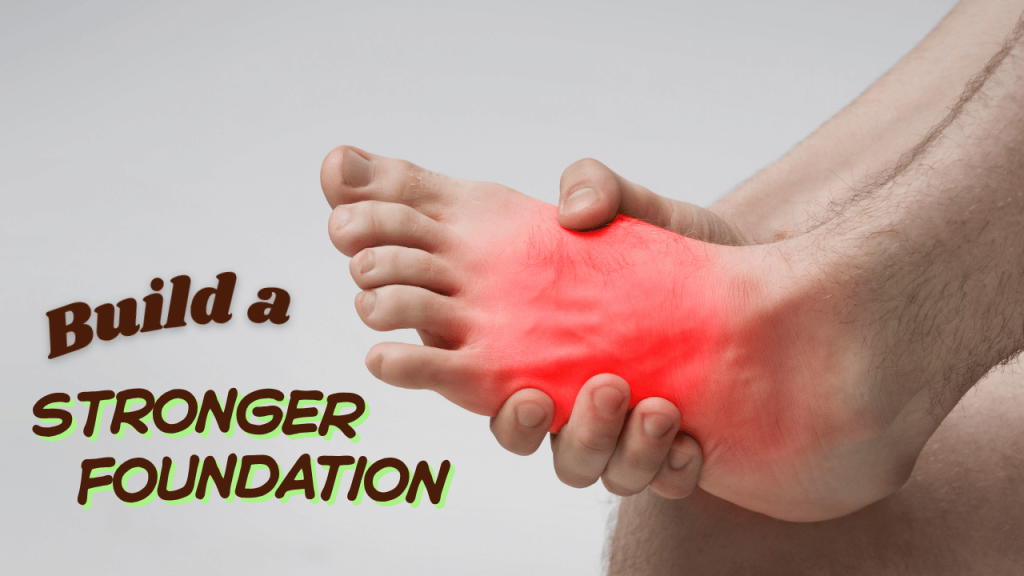
For active adults over 50, healthy feet are more than a comfort issue — they are the foundation for balance, walking, running, strength training, and long-term independence. When your feet are stiff, weak, or painful, the effects can move up the chain into your ankles, knees, hips, and lower back. A simple foot care routine can help improve mobility, support joint-friendly movement, and reduce injury risk as you stay active with age. These easy foot stretches and strengthening exercises are a practical place to start, especially if your goals include active aging, better balance, or safer running after 50.
Towel Stretch
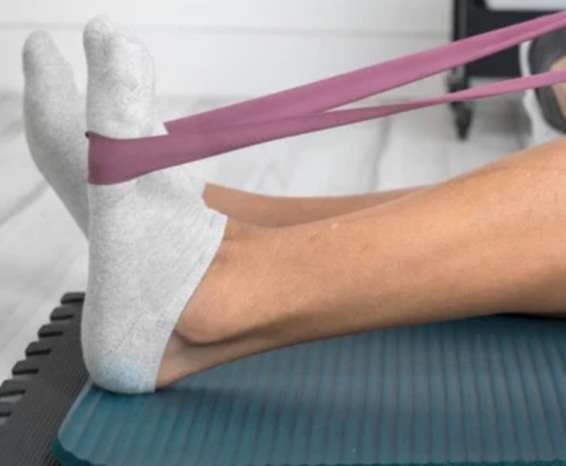
The Towel Stretch (or Resistance Band Stretch) is a simple way to relieve lower leg tightness and arch stiffness. To perform the stretch, sit on the floor with both legs extended straight in front of you. Loop a towel or resistance band around the ball of one foot. Holding both ends, gently pull back toward your torso while keeping your knee extended. Hold for 30 seconds and then release. Repeat this on the other foot.
How Towel Stretches Help:
Restores Ankle Dorsiflexion: Lengthens tight calf muscles (gastrocnemius and soleus) and the Achilles tendon, allowing your ankle to bend freely during gait.
Eases Arch Strain: Offloads tension on the plantar fascia to support smoother shock absorption when walking or running.
Promotes Fluid Strides: Keeps the posterior lower-leg chain pliable so force transfers efficiently up into your knees and hips.
Enhances Soft-Tissue Resilience: Maintains elasticity throughout the plantar arch and calf complex to better tolerate repetitive impact.
Calf Stretch
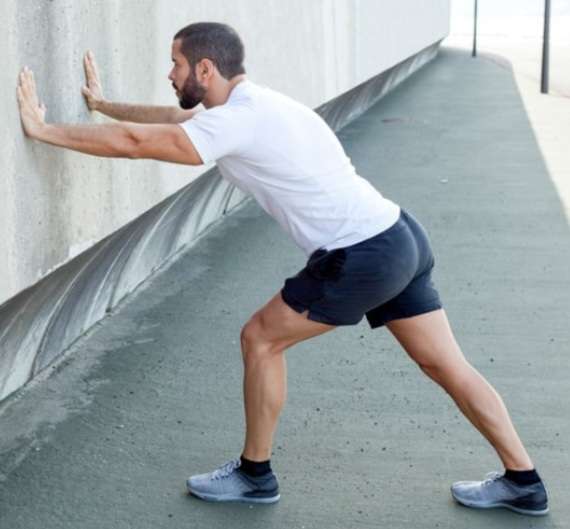
The Calf Stretch is vital for maintaining the flexibility of your lower leg muscles, which can help minimize excessive structural strain and reduce your risk of foot and ankle injuries. Stand arm’s length from a wall and place one foot behind the other. Ensure the knee of your back leg remains straight, and the heel stays in contact with the floor. Lean into the wall until you feel a stretch in your back leg. Hold for 30 seconds, and then switch sides. This stretch can be performed several times a day.
Advantages of Routine Calf Stretching:
Unlocks Ankle Mobility: Relieves tension in the lower leg to restore natural ankle dorsiflexion for walking, running, and squatting.
Improves Impact Absorption: Flexible calf muscles absorb ground reaction forces, shielding your foot joints, knees, and hips from excessive stress.
Restores Proprioception & Balance: Releasing lower leg tightness enhances sensory awareness from foot receptors, supporting balance and coordination.
Eases Connective Tissue Pull: Reduces persistent pulling forces on the heel bone and arch, easing localized tightness after active days.
Toe Spread
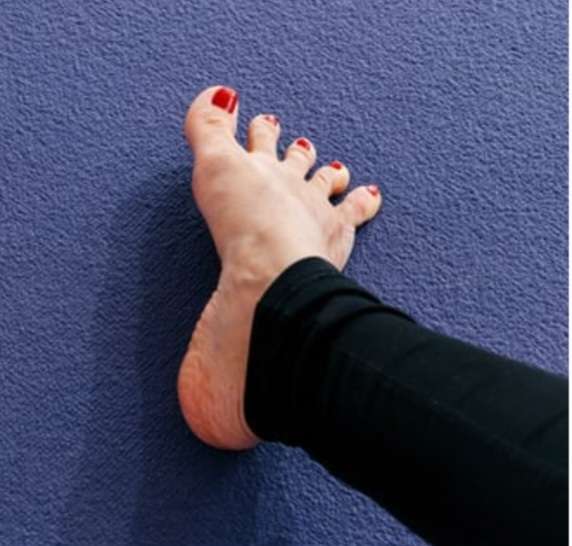
The Toe Spread is a simple exercise that helps increase the flexibility of your toes. It also works incredibly well at melting away tension and alleviating the daily stress on your overworked feet. To do this, sit comfortably on a chair with your feet flat on the floor. Lift your right foot and spread your toes as wide as possible. Hold for a few seconds, and then release. Repeat this exercise a few times and then switch to your left foot.
Benefits of Toe Spread Stretch
Activates Intrinsic Foot Strength: Engages deep foot stabilizers (like the abductor hallucis) to build a solid tripod base for balance and athletic movement.
Expands the Transverse Arch: Counteracts narrow footwear by allowing the metatarsal heads to splay naturally across the ground.
Relieves Toe Crowding: Eases friction between digits and releases tension around the forefoot joints.
Soothes Metatarsal Tension: Distributes pressure evenly across the ball of the foot to reduce discomfort during high-impact movement.
Targeted Foot Care Precautions for Specific Conditions
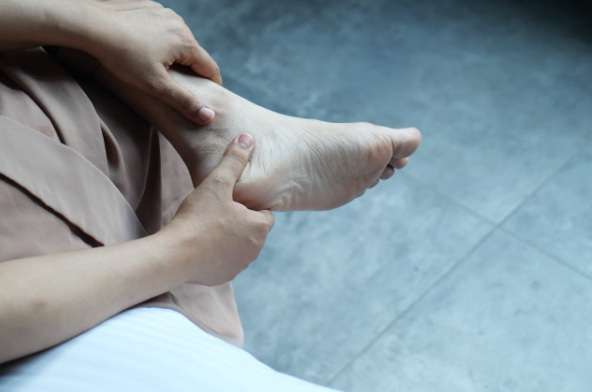
Here are key modifications and precautions to keep in mind if you are managing specific foot conditions or joint irritation:
Plantar Fasciitis:
Characterized by sharp arch or heel pain, particularly during initial morning steps.
- Precautions: Prioritize progressive load management by temporarily swapping high-impact running or jumping for joint-friendly activities like swimming or cycling. Roll the arch over a firm or cold water bottle, wear supportive footwear, and avoid barefoot walking on hard surfaces.
Achilles Tendonitis:
Irritation of the thick tendon connecting the calf to the heel bone.
- Precautions: Focus on gentle, pain-free calf lengthening while avoiding explosive jumping or sudden hill sprints. Opt for shoes with a slight heel drop to reduce immediate tension on the tendon.
Metatarsalgia:
Discomfort or aching concentrated at the ball of the foot.
- Precautions: Use metatarsal pads or cushioned footwear with a wide toe box to redistribute pressure away from the metatarsal heads. Avoid high heels and minimal-cushion shoes on hard ground.
Arthritis:
Joint inflammation causing stiffness, swelling, or aching in the foot and ankle joints.
- Precautions: Keep joint mobility within a comfortable, pain-free range. Move gently to ease morning stiffness, wear shoes with a cushioned footbed and generous toe box, and avoid forcing movement through acute joint flare-ups.
Your Foundation for Active Aging
Real foot care isn’t just about easing achy arches—it is the secret to protecting your knees, hips, and lower back while maintaining your balance and independence. Taking just a few minutes a week for these simple stretches guarantees a stronger, more resilient base for everything from daily walks to strength training.
Get Your Free Active Aging Foot Care Guide
Want a printable, step-by-step PDF version of these stretches and daily routines? Grab our free Foot & Joint Longevity Cheat Sheet to keep by your desk or in your gym bag, along with weekly expert guidance on joint-friendly movement over 50.
Frequently Asked Questions About Foot Care and Active Aging
Why do feet matter for active aging?
Your feet are your body’s foundation. They help you balance, absorb impact, push off the ground, and adjust to uneven surfaces. As you age, foot stiffness, weak arches, limited toe mobility, or poor ankle movement can make walking, running, and strength training feel harder. According to the National Institute on Aging, proper foot care and joint mobility exercises are essential for maintaining stable gait, preventing falls, and supporting lifelong independence.
Healthy feet support:
- Enhanced dynamic balance and tripod stability
- Smoother force absorption during running and walking
- Improved force transfer to knees, hips, and lower back
- Confident foot placement on uneven terrain
For active adults over 50, foot care is not just about comfort. It is part of staying mobile, independent, and resilient.
What exercises help foot strength?
Simple foot and lower-leg exercises can help improve strength, flexibility, and control. Good options include:
- Toe spreads
- Towel stretches
- Calf stretches
- Heel raises
- Toe raises
- Short-foot or arch-strengthening exercises
- Ankle circles
- Balance practice
- Gentle foot rolling with a ball
Start slowly and focus on control. If an exercise causes sharp pain, numbness, or worsening symptoms, stop and consider checking with a qualified healthcare professional.
Can foot mobility help with knee or hip pain?
Sometimes, yes. Foot and ankle mobility can affect how force travels through the rest of the body. If your ankles are stiff or your feet do not absorb impact well, your knees, hips, or lower back may compensate.
Improving foot and ankle mobility may help support better movement mechanics during:
- Walking
- Running
- Squatting
- Climbing stairs
- Balance exercises
- Strength training
Foot care will not solve every knee or hip issue, but it can be an important part of a joint-protection plan. If pain is persistent, sharp, or limiting your activity, it is best to get individualized guidance.
Helpful next steps
- If you run or want to return to running safely, read: Master Running with Vitality
- If you are building a movement habit, read: Consistent Fitness Routine After 50
- For a bigger-picture approach to active aging, read: How to Slow Down Cellular Decline